accountant-absence-business-continuity

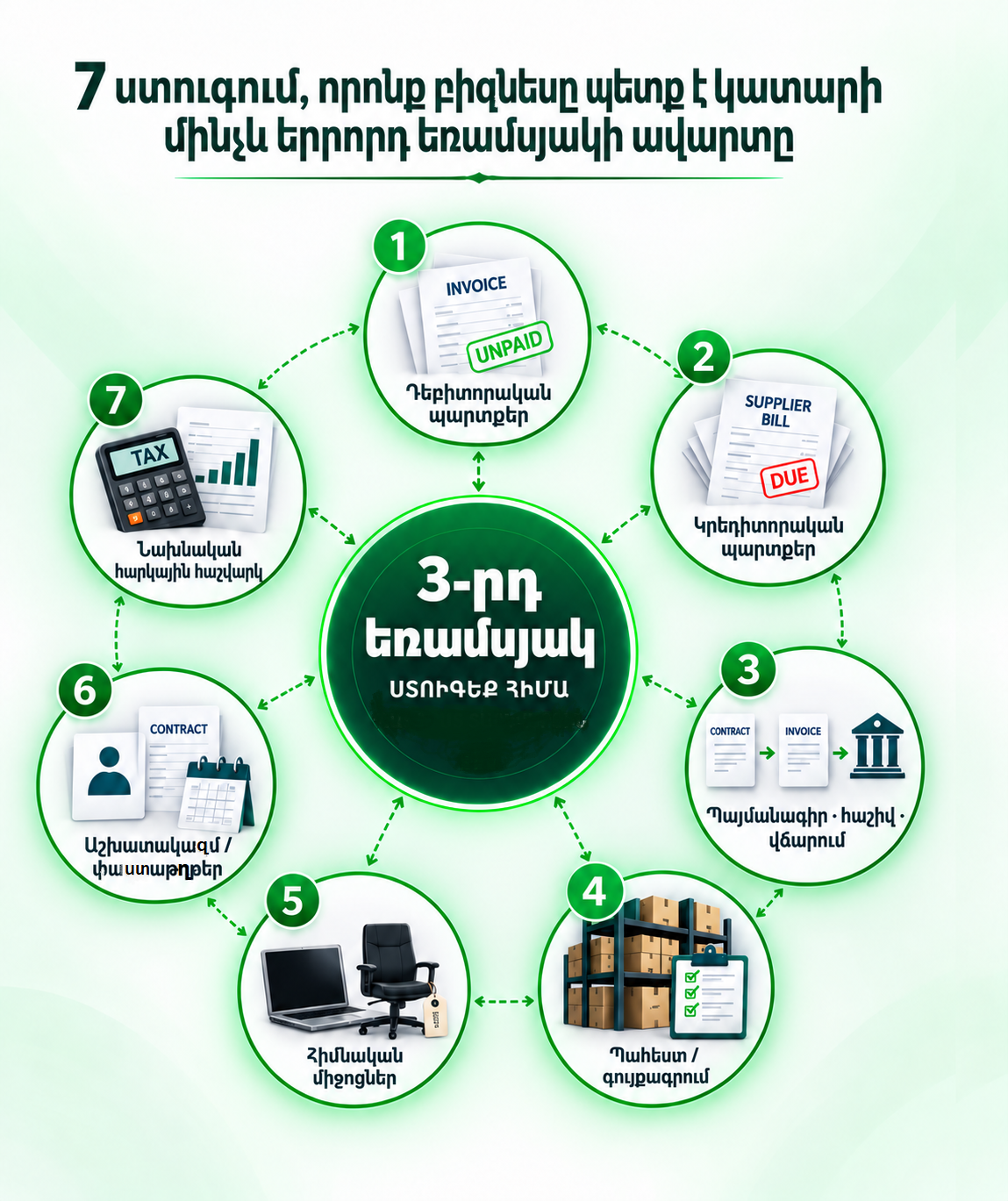
7 checks every business should complete before the third quarter ends It is one of the last days of September. A business owner opens the sales report and is pleased to see that turnover for the first nine months has increased compared w...
read more
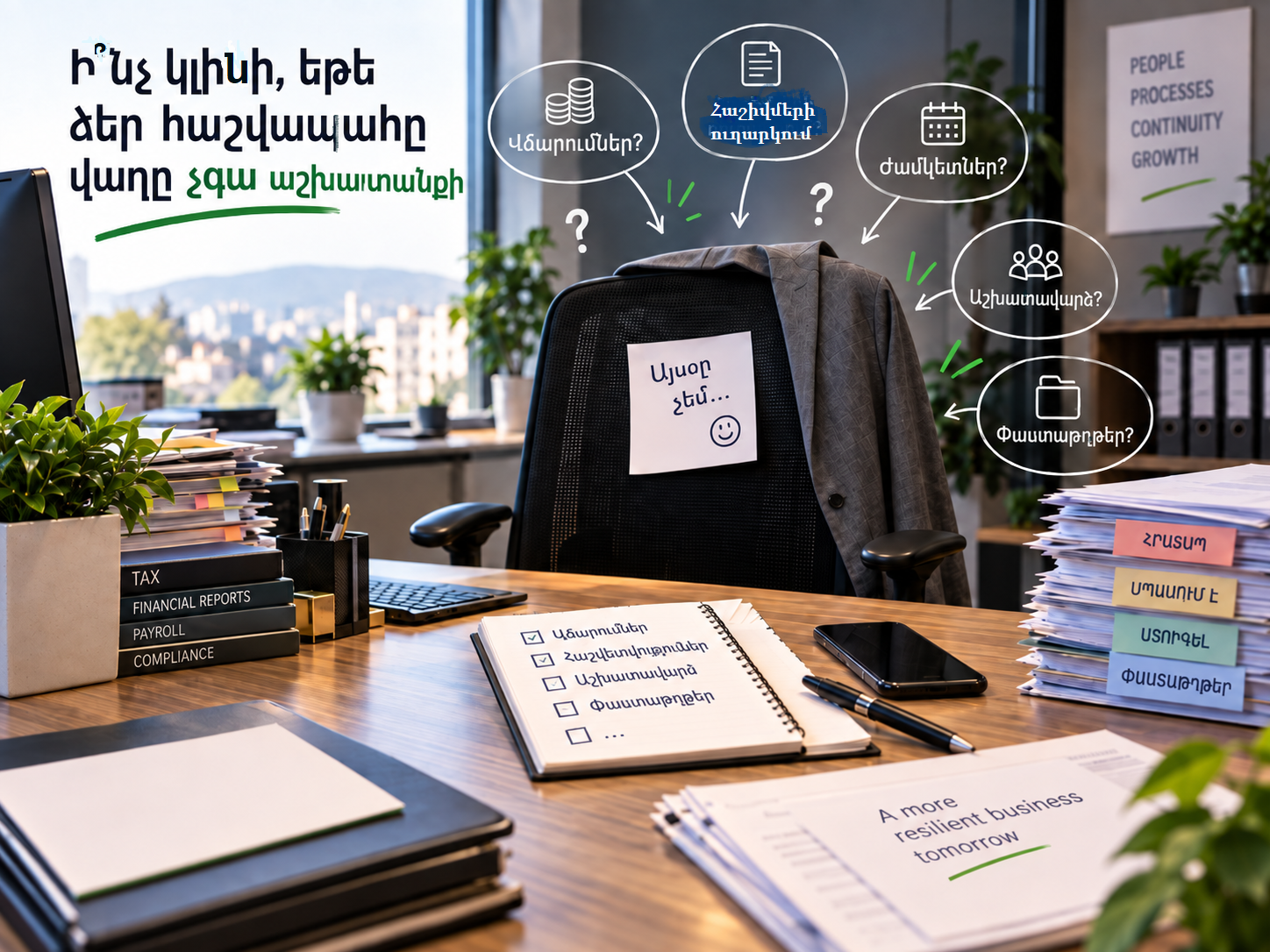
Just a few years ago, it was easy to imagine a typical accountant’s working day. Invoices, contracts, and bank statements were spread across the desk, while accounting software and Excel spreadsheets were open on the computer. A significant par...
read more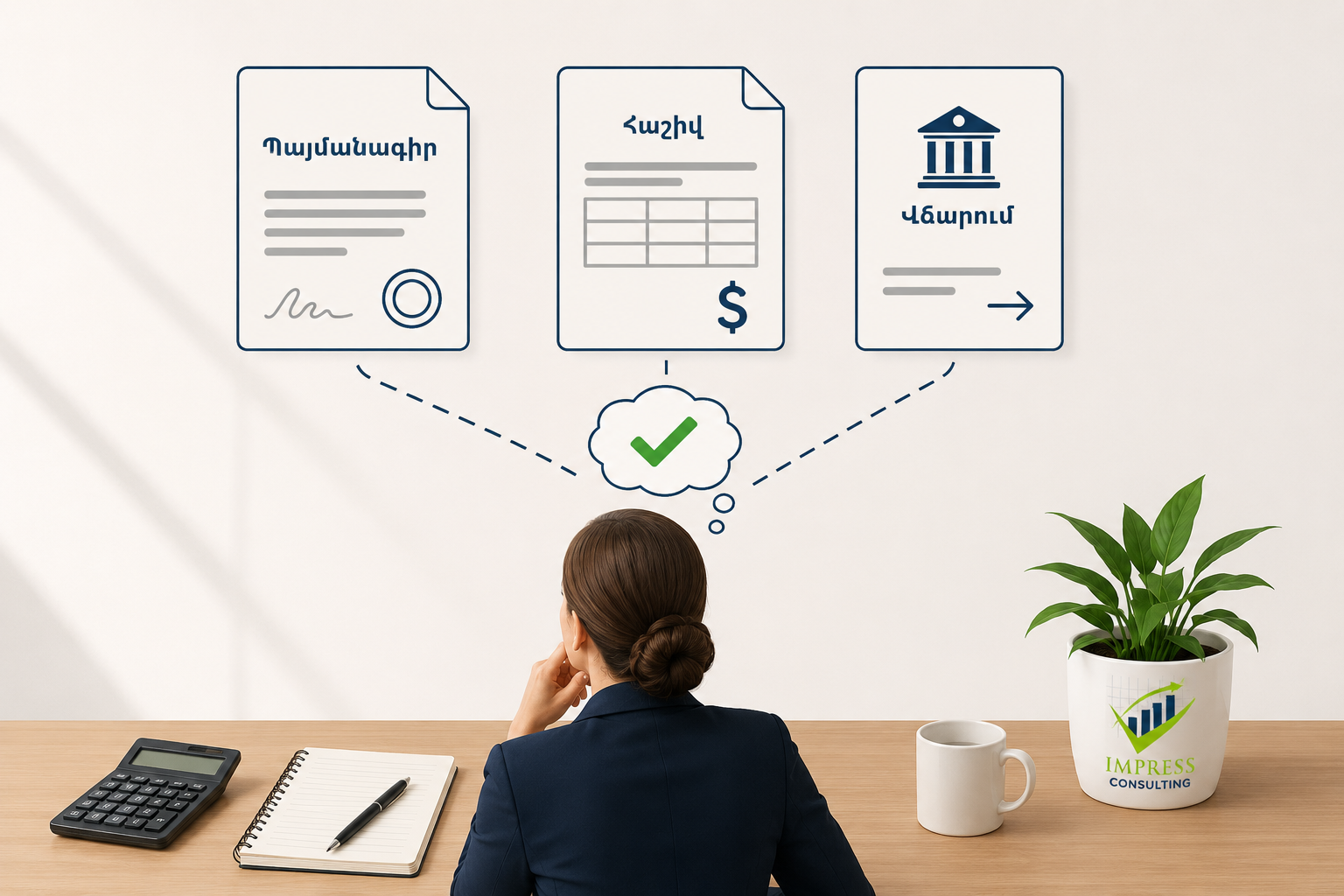
In business, a transaction is often considered complete once the customer has paid for services already delivered or goods already supplied and the money has reached the bank account. The director is satisfied, the sales manager closes the order, and...
read more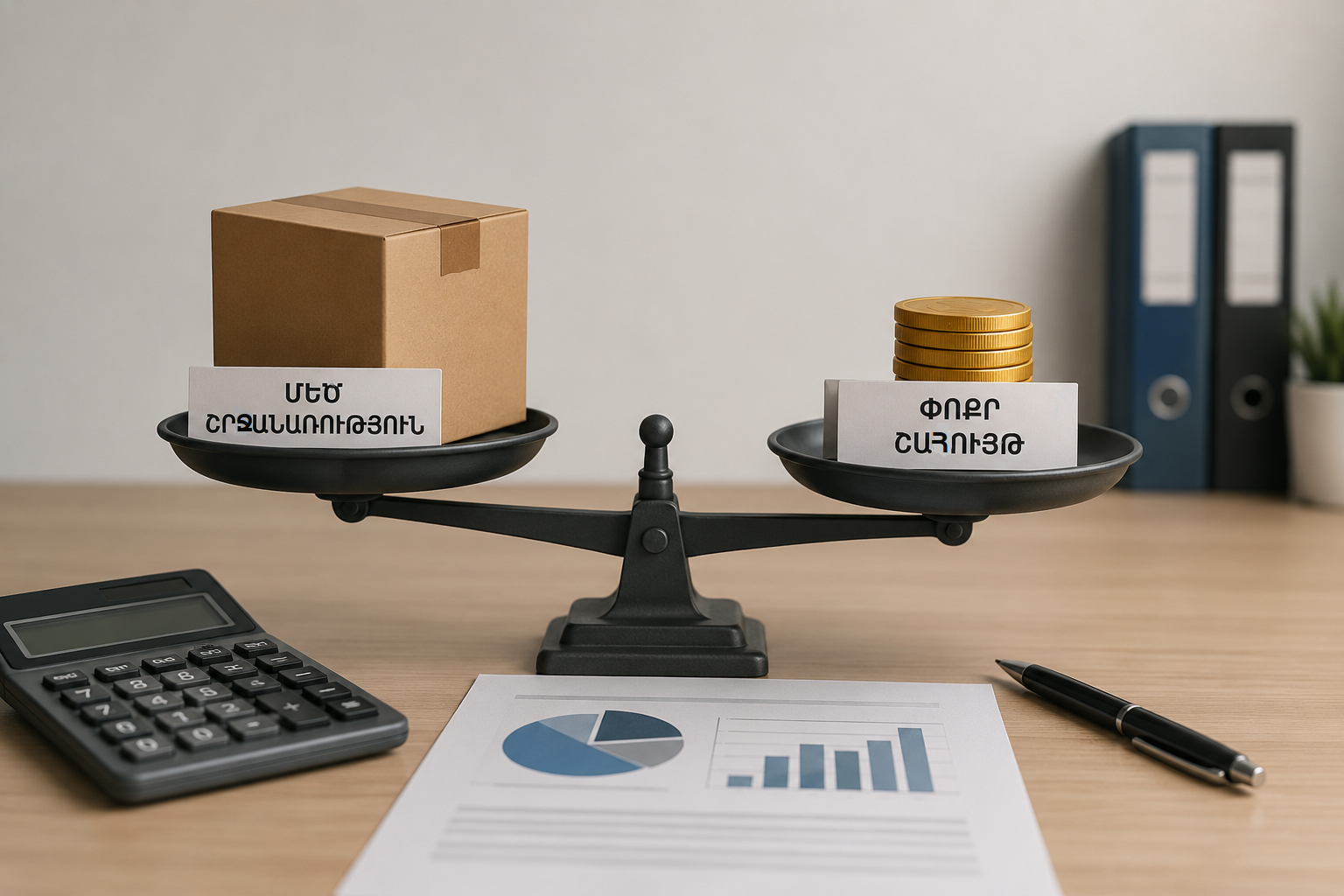
There is a very natural assumption in business: the bigger the client, the better it is for the company. If a client places large orders, regularly pays significant amounts, and accounts for a substantial share of revenue, that client is...
read more
• Why Your Accountant Keeps Asking Follow-Up Questions • “What was this payment for?” • “Who did you transfer this amount to?” ...
read more
For small business owners, accounting is often seen as a necessary but rather complicated process. Tax reports, invoices, banking transactions, payroll, contracts, supplier payments - all of these can take a considerable amount of time, especially wh...
read more
It is the last day of the month. The phone keeps ringing, employees are waiting for their salaries, two clients still have not paid their invoices, and one supplier is reminding you about a payment that is already overdue. In the middle of all t...
read more
For many years, numerous companies have kept employment contracts in paper form, either in employees’ personal files or in separate folders. Some of these contracts were prepared years ago, while the employee’s position, salary, place of...
read more