“The payment is urgent”: how companies get used to paying without checking
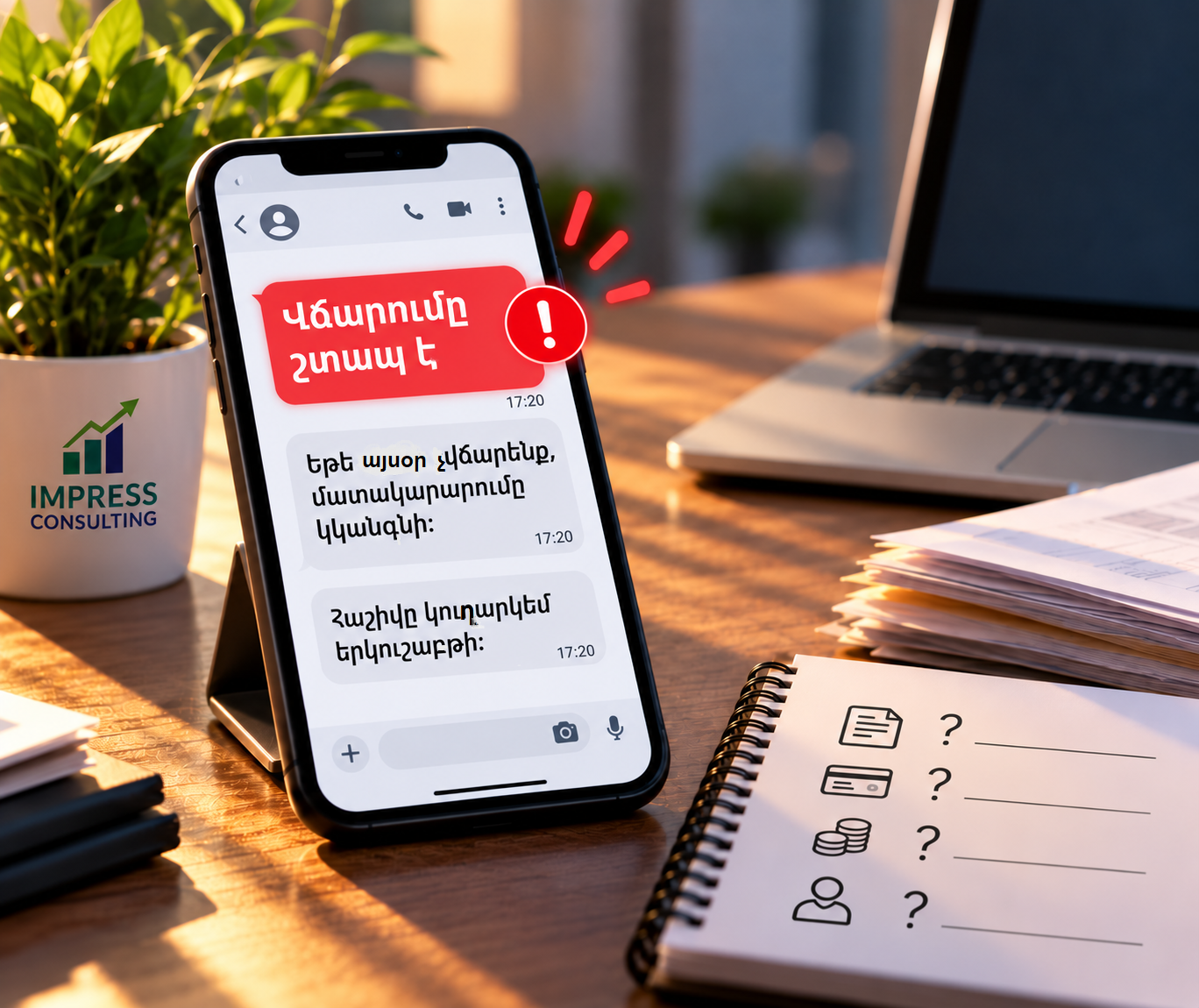
It is Friday, with forty minutes left in the working day. The accountant is trying to finish the payroll calculations when a message arrives on their phone: “Please transfer this amount right now. If we don’t pay today, the delivery will be put on hold.” The bank details follow in the next message. There is no contract, the invoice is promised for Monday, and the amount appears only in the conversation.
The accountant asks what the payment is for. The reply is brief: “The director knows about it.” A few minutes later, the director also writes: “Yes, go ahead.” The money is transferred, everyone breathes a sigh of relief, and the working week ends. At first glance, the company has quickly resolved an operational issue. But several questions remain unanswered, and by Monday, no one may be interested in them anymore.
When an exception becomes a habit
There are real situations in business when a payment cannot wait. An important order is ready for dispatch, equipment needs immediate repair, or a previously agreed payment deadline for a delivery is approaching. A quick response is necessary in these cases. The problem begins when the word “urgent” replaces all the other information about the payment. The first time, everyone understands the circumstances. The second time, they remember that the previous payment went through without documents. By the third time, the employee is confident that writing “very urgent” is enough to get the accountant to transfer the money. Gradually, the company starts operating under a rule that no one has formally approved: “Pay first, ask questions later.”
There is no separate investigation after every payment. Most amounts may reach the right recipients, services may be delivered, and goods may arrive. That is precisely why the habit takes hold. Yet a successful previous transfer does not answer the questions about the next one. Unchecked payments accumulate so quietly that, one day, the list comes as a real surprise to the manager.
What “the director agrees” does not tell you
The director’s approval matters, but it is important to understand exactly what they approved. They may have agreed to buy equipment without seeing the final price. They may know the supplier without knowing that the company has already made an advance payment to them. Or they may have approved the contract while the bank details submitted for payment belong to a different organisation.
Imagine a company commissioning an office renovation. The manager approves the overall budget. The employee coordinating the work submits an urgent payment request for materials. The accountant transfers the money. Later, it turns out that the cost of those materials was already included in the contractor’s agreed price. Everyone completed their task, but no one checked the payment against the purchasing terms. Simply asking who was at fault is unlikely to produce a useful answer. It is more effective to establish who should have checked whether the payment was needed, who should have checked the calculation, and who should have reviewed previous transfers. If those responsibilities are unclear, the same situation can happen again with another supplier.
The accountant cannot know everything
The professional handling the company’s accounting sees bank transactions, liabilities recorded in the accounts, and the documents provided to them. However, they are not always involved in purchasing negotiations. They cannot independently confirm whether the correct quantity of goods reached the warehouse, whether the work was completed in full, or whether the supplier verbally promised an additional discount.
If the head of sales ordered an advertising service, that person should confirm that the agreed work has been completed or that the advance payment matches the agreement. If the person responsible for purchasing changed the order quantity, the accountant needs to receive that information before payment. “Please check it too” is a useful request only when the professional has the information needed to carry out the check. Otherwise, the accountant faces an uncomfortable choice. Asking questions leads to accusations of holding up the work. Transferring the money immediately leads to questions later about why they missed the error. A clear procedure removes this uncertainty: each person confirms the information they can actually verify.
A few questions before the transfer
A payment request does not need to be a lengthy document. As a starting point, a single message or entry in the company’s system can identify the recipient, amount, purpose, supporting basis, and requested payment date. It should also state whether the payment is an advance, a final settlement, or the payment of an existing liability.
This information allows the accountant to compare the request with previous payments and spot a possible duplicate. The employee who arranged the purchase confirms the price and terms. The person accepting the goods or services confirms receipt when that is required for the payment in question. The manager authorises the expense within the approval limits established by the company. Bank details deserve separate attention as well. If a familiar supplier suddenly sends a new account number, the change can be verified using a previously known telephone number or a trusted communication channel. An urgent message alone is not sufficient reason to assume the new details are correct. A few minutes of checking can prevent a transfer that would take far longer to recover.
What to do when the situation really is urgent
A good procedure also allows for exceptions. If the full set of documents is not ready, record the information available, the missing documents, the person approving the payment, and the deadline for submitting them. The manager making the decision needs to see exactly what remains unverified. Urgency then remains an understandable circumstance rather than a way to stop questions.
Suppose the payment is made on Friday and the invoice is due on Tuesday. The request identifies who will ask the supplier for it. On Tuesday, that person receives a reminder. If the document does not arrive, the matter is raised with the manager again. This small accounting control prevents unfinished transactions from remaining buried in correspondence for months.
Exceptions should be reviewed regularly. If the same department requests immediate payment every week, the cause may not be an emergency. Requests may be submitted late, purchases may not be planned, or the supplier’s terms may not be communicated on time. In that case, the way work is organised needs to be corrected so that the accountant does not constantly have to make up for other people’s delays.
Fast payments start with preparation
In a well-organised company, payments often happen faster because the answers to the necessary questions are already available. The accountant does not search three different sources for approval, the manager does not have to recall the details of the agreement again, and the employee knows what information to provide. The payment becomes the execution of a decision that has already been prepared.
The next time “the payment is urgent” appears in the company’s shared correspondence, it would help to see the rest of the message: “Who are we paying, what for, on what basis, and who approved it?” Those few lines keep work moving and help the manager understand where the company’s money is going and why.